Plumbing companies in Durham, NC
Quick answer
3 plumbing companies have a local office in Durham, NC on 1-800Deals: Benjamin Franklin Plumbing of Chapel Hill and South Durham, Mr. Rooter Plumbing of Durham North and Roto-Rooter Durham, NC. Durham's drinking water comes from two reservoirs, Lake Michie, completed in 1926, and Little River Reservoir, completed in 1987, and is treated at the Williams and Brown water treatment plants. Durham Water owns the utility side of each water service line, and the homeowner is responsible for the private side.
Last updated September 28, 2026. Sources are linked below.
Plumbing companies serving Durham and nearby Orange and Chatham County communities, with the services and service areas each one lists. We list 3 companies with a local office here:
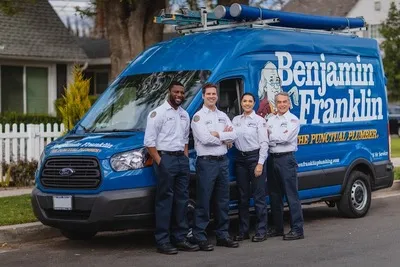
- Benjamin Franklin Plumbing of Chapel Hill and South Durham, 1415 West Highway 54, Durham. Services include sinks, sink installation, sink repair, toilets, toilet installation, toilet repair; serves Chapel Hill, Midtown & Downtown Chapel Hill, University Of North Carolina, Carrboro, Meadowmont, Southern Village, Hillsborough, Pittsboro, Chatham Forest, Cedar Mountain and more.
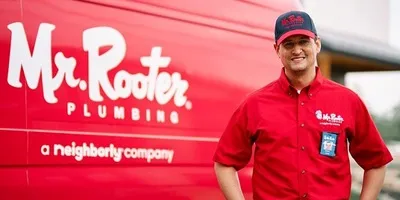
- Mr. Rooter Plumbing of Durham North, 4210 N. Roxboro Street Ste. 120-D, Durham. Services include toilet repair and replacement, sump pump services, emergency plumbing, sewer repair, drain repair, faucet repair; serves Bahama, Butner, Creedmoor, Durham, Efland, Hillsborough, Hurdle Mills, Rougemont.
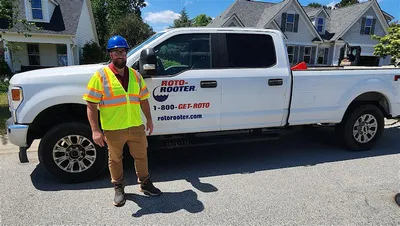
- Roto-Rooter Durham, NC, 331 W Main St, #307, Durham. Services include drain cleaning, emergency plumber, water heater repair, water damage, commercial plumbing, hydro jetting; serves Raleigh, Durham, Chapel Hill, Apex, Morrisville, Willow Spring, Fuquay Varina, Wake Forest, Cary, Knightdale and more.
What to know about plumbing in Durham
Reservoir water treated with chloramines
Durham's drinking water comes from two reservoirs, Lake Michie, completed in 1926, and Little River Reservoir, completed in 1987, and is treated at the Williams and Brown water treatment plants. The city disinfects with chloramines and adds orthophosphate to help prevent pipe corrosion, along with sodium hydroxide for pH and fluoride. If you are shopping for a filter or treatment system, tell the installer your water is disinfected with chloramines rather than chlorine so the equipment is chosen with that in mind. Source: City of Durham: Water Quality and Treatment
Check your own service line material
Durham Water owns the utility side of each water service line, and the homeowner is responsible for the private side. Its leadCAST map shows both materials for an address, and lines listed as unknown can be checked by the homeowner in the crawlspace with a magnet, a key or coin, and a flashlight, then photographed and submitted to the city. If you are unsure what you are looking at, a plumber can identify the pipe for you. Source: City of Durham: Water Service Line Inventory and Verification
Lines on your property are yours to locate
The City of Durham maintains water and sewer lines only in the public right of way, up to the water meter and the sanitary sewer clean-out. Lines on your side of those points are private, and the city says you will need a private locator to mark them. Before digging for a fence, patio or sewer repair, arrange for your private lines to be located as well as the public ones. Source: City of Durham: Water Management FAQs
Check the license
North Carolina licenses plumbing contractors through the State Board of Examiners of Plumbing, Heating and Fire Sprinkler Contractors, which also covers HVAC, fuel gas piping and fire sprinkler work. Look up the contractor in the board's online license search before you sign a contract. Source: official licensing page
Frequently asked questions
Where does Durham get its water?
Durham uses Lake Michie and Little River Reservoir, and treats the water at the Williams and Brown plants, where it is disinfected with chloramines.
How can I find out what my Durham water service line is made of?
Enter your address on Durham Water's leadCAST map, which shows both the city-owned and customer-owned side. If your side is listed as unknown, you can inspect the pipe where it enters the house and submit photos to the city.
How do I check a plumber's license in North Carolina?
Use the online license search of the State Board of Examiners of Plumbing, Heating and Fire Sprinkler Contractors, which licenses plumbing contractors statewide.
1-800Deals lists companies based on the information they publish; a listing is not an endorsement. Before hiring, check licensing, insurance, reviews and a written estimate.